Examining Commonly Used Pregnancy Test Kits for 2026 Insights
As we progress through 2026, the realm of pregnancy testing continues to evolve, bringing forth a variety of options for those seeking to determine their pregnancy status. The advancements in technology and changes in consumer preferences have influenced the market, leading to innovative solutions designed for accuracy and ease of use. In this article, we will examine some of the most commonly used pregnancy test kits available in 2026, highlighting their features, reliability, and the insights they offer.
Types of Pregnancy Test Kits
Pregnancy test kits can be broadly categorised into two main types: urine tests and blood tests. Urine tests are the most widely used due to their convenience and accessibility. They are available over the counter and can provide results in the privacy of one’s home. Blood tests, often conducted in medical settings, offer a more sensitive detection of the pregnancy hormone human chorionic gonadotropin (hCG) and can confirm pregnancy earlier than urine tests.
Urine Tests
Among urine tests, there are various formats available, including midstream tests, cassette tests, and digital tests. Midstream tests are the most popular as they are easy to use. Users simply urinate on the test stick, wait for the results, and read the outcome. These tests typically boast a high accuracy rate, often exceeding 99 percent when used on the day of the missed period.
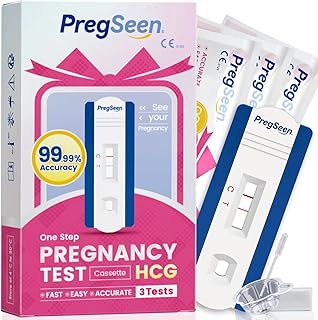
Cassette tests require a small sample of urine to be placed on a testing strip, which can then be monitored for results. These tests are often favoured by those who prefer a more traditional approach and do not mind a slightly longer wait for results. Digital tests offer a modern alternative by displaying results in words rather than lines, providing clarity for users who may be anxious about interpreting results. These digital options have gained significant traction for their user-friendly interfaces and clear messages.
People Also Look For:
- 5 x AYDMED Early Detection Pregnancy Tests | Ultra Early Pregnancy Test Kit for Home Self-Test Urine Screening of Pregnancy | Earl...
- Clearblue Pregnancy Test - Digital with Weeks Indicator, The Only Test That Tells You How Many Weeks, 2 Digital Tests, Packaging M...
- One Step 5 x Highly Sensitive 10mIU Pregnancy Test Strips (Tests up to 6 Days Earlier)
- Clearblue Early Detection Pregnancy Test – Digital Ultra Early (10 mIU/ml), No Test Can Tell You Sooner – 2 Digital ...
- SOL 3pk Clear Response Midstream Early Detection Pregnancy Test - 99% Accurate After First Missed Period - Easy Instructions, Foil...
Features to Consider
When selecting a pregnancy test kit, there are several features that should be taken into account. Sensitivity is paramount, as it determines how early a test can detect pregnancy. Most tests claim to detect pregnancy as early as four to five days before a missed period, but the accuracy improves significantly when tests are taken after the missed period.
Another important feature is the ease of use. Many consumers prefer tests that require minimal steps and provide clear results. Tests with longer expiry dates and those that provide a reliable storage method are also preferred, ensuring the test remains effective when needed. Some brands have introduced apps that work alongside their tests, allowing users to track their cycles and receive personalised insights based on test results.
Popular Brands in 2026
In 2026, several brands dominate the pregnancy test market, each offering unique features. Clearblue remains a frontrunner, known for its digital options and high sensitivity. First Response is also highly regarded for its ability to detect pregnancy early, with many users attesting to its reliability. EPT and Accu-Clear provide affordable alternatives without compromising on accuracy, making them popular choices among budget-conscious consumers.
As societal norms shift and more individuals seek to plan their families, the demand for pregnancy test kits continues to rise. Additionally, there is a growing interest in eco-friendly options. Some brands have begun offering biodegradable test kits, appealing to environmentally conscious consumers. This trend may reshape the landscape of pregnancy testing, as sustainability becomes a key factor in purchasing decisions.
Emerging Technologies
Looking ahead, the integration of technology into pregnancy testing is poised to advance even further. Innovations such as smartphone connectivity and AI-assisted analysis are on the horizon. These technologies may enable users to receive real-time feedback and insights, enhancing the overall experience of pregnancy testing.
The ongoing development of at-home testing kits that utilise saliva or other biological samples is also being explored. These methods could provide an alternative to urine tests, potentially offering earlier detection capabilities. As research progresses, the pregnancy testing landscape is set to become more diverse and accessible, catering to various consumer needs and preferences.